Policy, Politics, and Data
  • About

Email updates

Categories
All (20)
Book Review (1)
Causal Inference (2)
Census (2)
Data Viz (1)
Economics (7)
Education (1)
GeoPandas (1)
Housing (1)
Internet (2)
Kentucky (2)
Louisville (2)
Penguins (1)
Philosophy (8)
Policy (9)
Politics (3)
Poverty (1)
Python (5)
R (1)
Religion (2)
Sports (1)
Statistics (3)

Democracy for Realists

Book Review
Politics

Rethinking how democracy actually works

2026-01-31

Is Online Persuasion Possible?

Policy
Politics

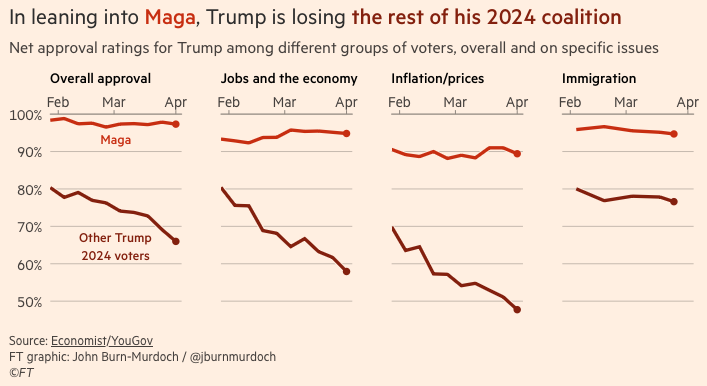
Three suggestions for being persuasive online

2025-04-06

The Perpetual Myth of Eliminating Waste, Fraud, and Abuse

Policy
Politics

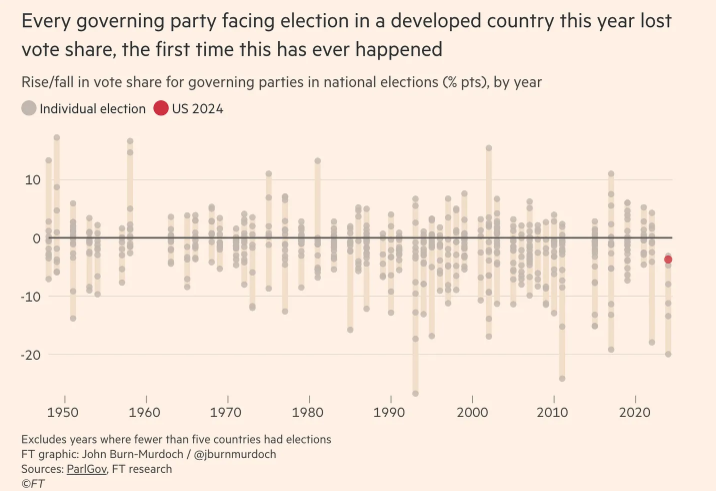
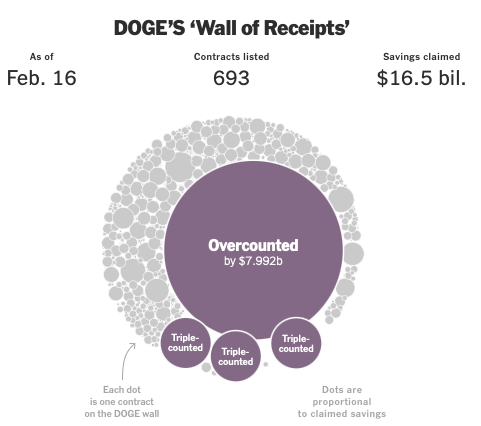
Waste, Fraud, and Abuse is a slogan used to hide the basic tradeoff that cutting spending requires cutting services.

2025-04-05

End Exclusionary Zoning

Louisville
Poverty
Housing
Policy

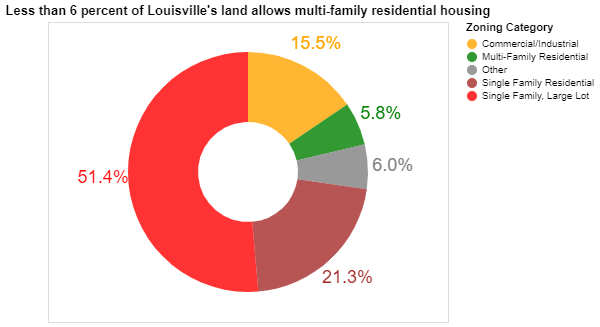
Over half of Louisville’s land is reserved for large single family dwellings. Only 6 percent is zoned for multi-family use.

2023-05-15

Simpson’s Paradox

Python
Causal Inference
Statistics

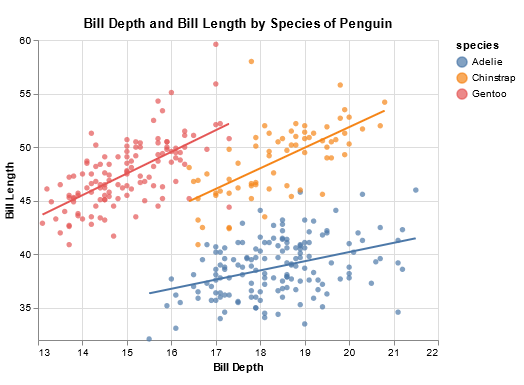
Simpson’s Paradox illustrated with Penguins

2023-04-08

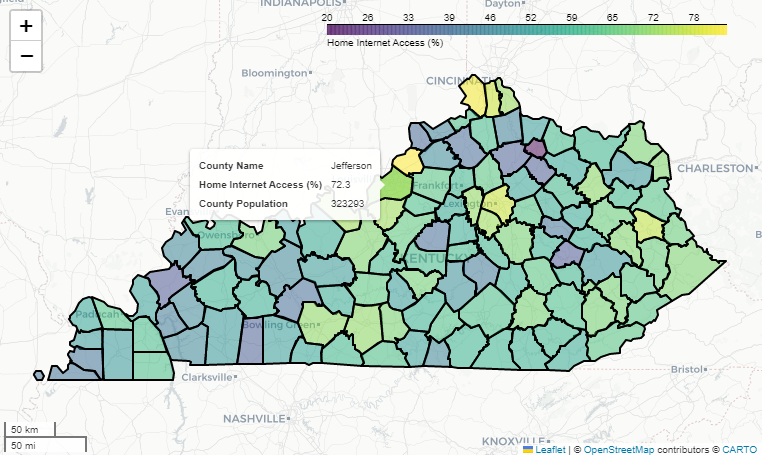
Mapping Census Data with Python

Python
Census
GeoPandas
Kentucky
Louisville
Internet

A tutorial on how to make maps by pulling Census data into Python

2023-03-26

Partitioned Regression with Palmer Penguins and Scikit-Learn

Python
Penguins
Statistics

Using partitioned regression to gain a better understanding of how linear regression works.

2023-03-18

Think before adding more variables to that analysis

Python
Causal Inference
Policy
Statistics
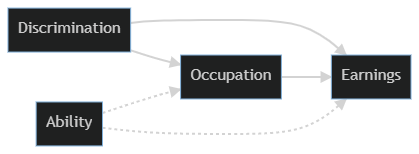
An introduction to thinking about causal models for data analysis. The purpose is to demonstrate that the popular approach of simply gathering as much data as you can and controlling for it via regression or other methods is not a good one, and is actively misleading in many cases. We should instead carefully think about plausible causal models using tools like diagrams (directed acyclic graphs, or DAGs) and then do data analysis in accordance with those models.

2022-03-19

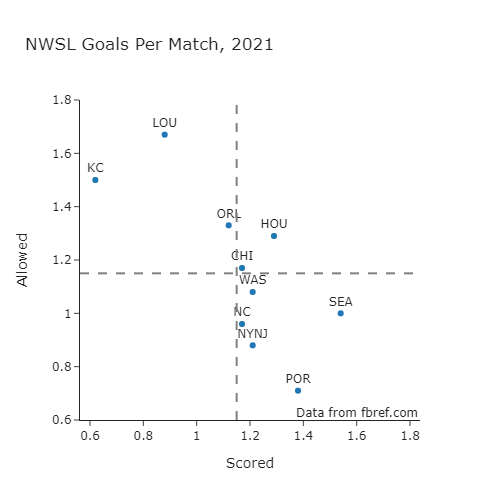
Racing Louisville in their first NWSL season

Python
Sports
Data Viz

A quick look back at how Racing Louisville played in their first season in the NWSL

2022-03-18

How to Use Census Microdata to Analyze High Speed Internet in Kentucky

R
Census
Internet
Policy

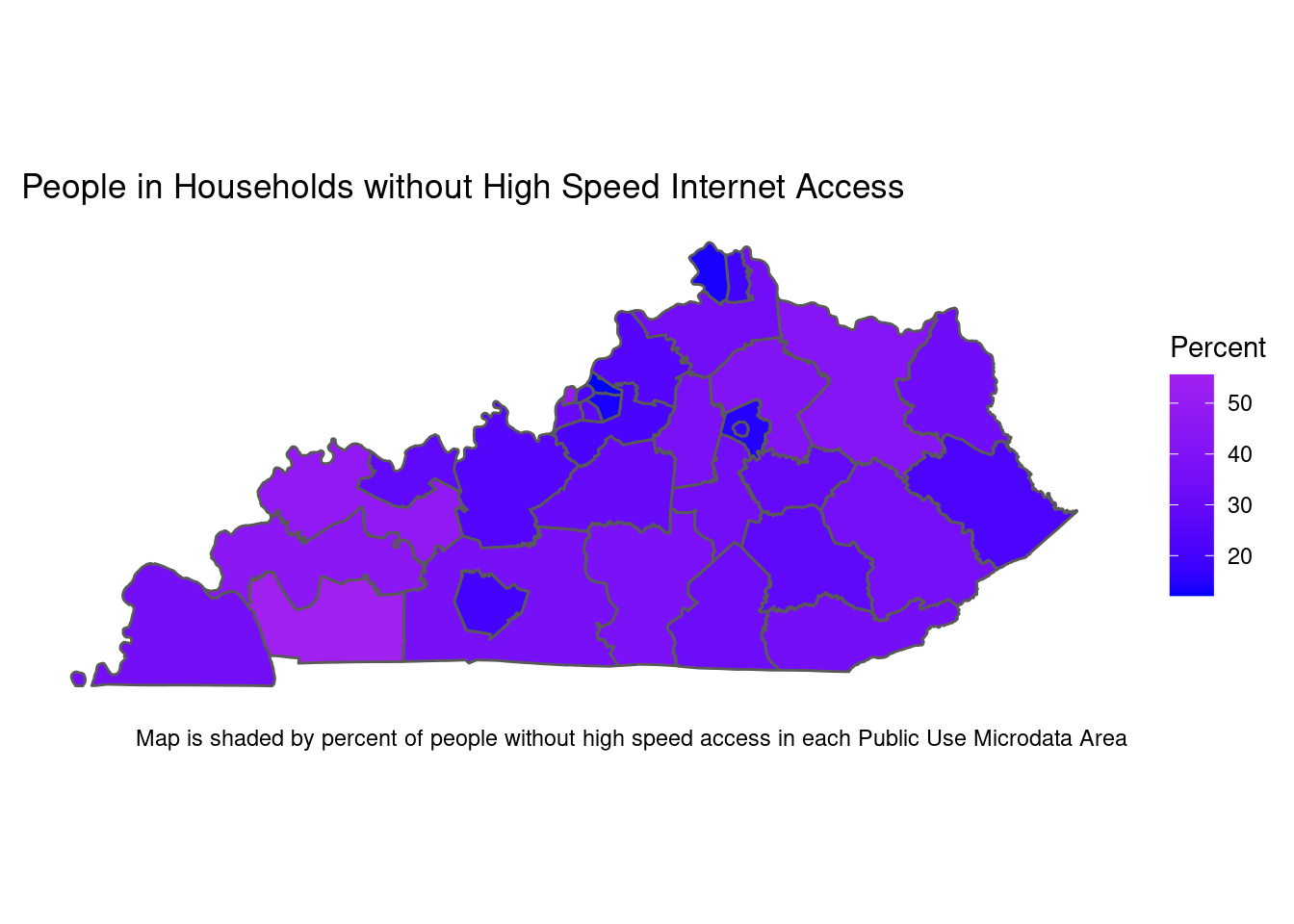
This post is a start to finish descriptive analysis of high speed internet access in Kentucky, including tables, graphs, and maps. All of the detail of cleaning the data and iterating while exploring the data is included. This makes for a rather lengthy post, but it also makes it relatively unique in including all of those steps. We go through five attempts at making a table of high speed internet before finally getting it right! There’s quite a bit of cleaning work and then also a detour into calculating standard errors via bootstrap so we can correctly display uncertainty in our visuals.

2020-09-13

Meritocracy is Unjust

Philosophy
Economics

Meritocracy tends to confuse a very practical sense of merit with a more abstract and moral one. An individual may deserve a high-paying job or admission to a selective college because they are productive or qualified. However, in a moral sense, individuals do not merit the skills and abilities they are born with, nor do they merit the environments they were born into that allowed them to develop those skills.

2016-10-25

Non-Market Values and Policy Analysis

Philosophy
Economics
Policy
Kentucky

There are a lot of things in life that don’t have market value. It’s important to find a way to value those things in policy analysis.

2014-04-15

Rational Fools: Amartya Sen’s Critique of Economic Theory

Philosophy
Economics
Policy

Some history of economic thought around self-interest looking at Francis Edgeworth, Adam Smith, and Amartya Sen

2014-02-03

A Theory of Moral Sentiments

Economics
Philosophy

Reflections on Adam Smith’s Theory of Moral Sentiments and economics education today

2013-09-03

What I Believe

Religion
Philosophy

Sorting through my own belief system

2013-08-20

What is Education for?

Economics
Philosophy
Policy
Education

STEM often (at the undergraduate level) teaches a certain type of thinking, which is a very effective and practical way to solve problems. STEM fields seek answers, while the humanities focus first on training students to ask the correct questions, and to take an extremely broad view of any problem. A lot of damage has been done by narrow, practical solutions. The technology we have is an engineering marvel, and the economic abundance we possess is a tribute to the efficiency of solving practical problems. And yet for all our abundance we still have massive poverty and environmental degradation, as well as a society that is becoming increasingly polarized, distrustful, and distant.

2013-08-12

What we know about race and racism in the United States

Policy

An attempt to add historical and statistical context to recent events

2013-07-21

Market Norms are Crowding out Social Norms

Philosophy
Economics

Reflecting on how market norms are squeezing out social norms to the detriment of society

2013-07-13

The Bible and Public Policy

Religion

An overview of what the Bible has to say about public policy

2012-12-20

The Moral Limits of Markets

Philosophy
Economics

A review of Michael Sandel’s book ‘What Money Can’t Buy: The Moral Limits of Markets’

2012-05-26
No matching items